
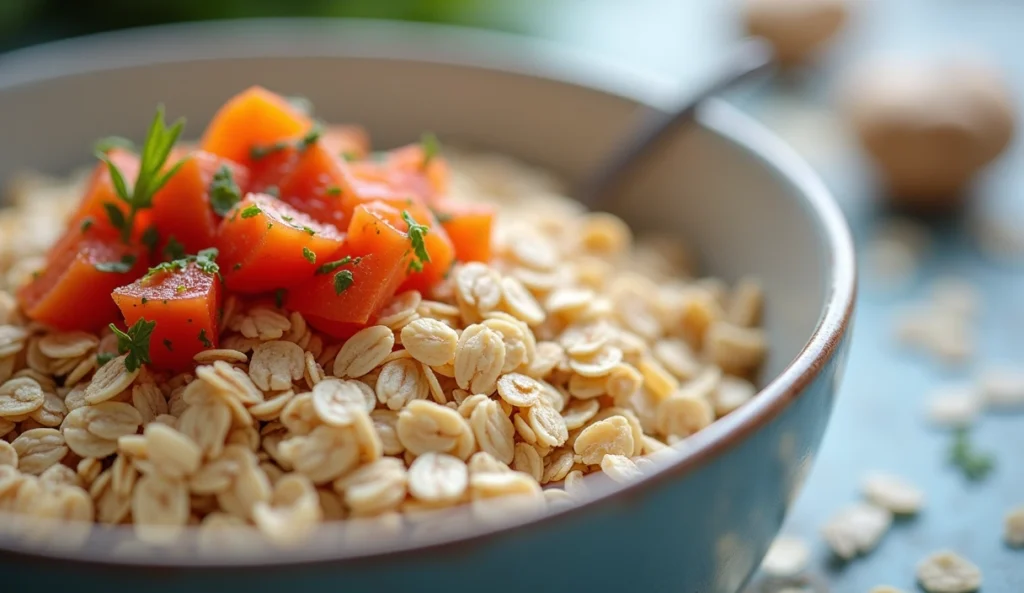
New research highlights how a simple bowl of oatmeal can support heart health, particularly through its effect on cholesterol. A study published in Nature Communications provides fresh insight into the mechanisms behind this common food’s benefits.
The soluble fiber in oats, known as beta-glucan, has long been recognized for its role in managing cholesterol. However, the recent research indicates there is a second important process at work. Oats contain phenolic compounds bound to their fiber structure, which the human body cannot absorb on its own.
This is where gut bacteria become important. When oats are consumed, these bacteria break down the fiber, releasing key compounds like ferulic acid. This antioxidant is then absorbed into the bloodstream, where it appears to influence cholesterol metabolism.
The randomized controlled trial found that both a short-term, high-dose oat diet and a longer-term, moderate intake significantly increased levels of ferulic acid in participants. The high-dose approach also raised levels of dihydroferulic acid, a related metabolite produced by gut bacteria.
Beyond cholesterol, oats support gut health by acting as a prebiotic, feeding beneficial bacteria. A healthy gut microbiome is linked to wider benefits, including better digestion and sustained energy levels.
Oatmeal also provides steady energy due to its fiber and complex carbohydrates, which help maintain stable blood sugar levels and promote a feeling of fullness longer than many sugary breakfast options.
For those seeking to include more oats in their diet, nutritionists often recommend choosing less-processed forms like steel-cut or rolled oats over instant varieties for maximum fiber and nutrient content. Consistency is also noted as important for cumulative benefits over time.
To make a bowl of oatmeal more satisfying, adding a source of protein, such as nuts, seeds, or protein powder, can help create a balanced meal. The food’s versatility allows for numerous toppings, including fresh fruit, nut butter, and cinnamon, to suit different tastes.
Oats remain a staple in dietary patterns known for supporting cardiovascular health, such as the Mediterranean diet. Their affordability and ease of preparation contribute to their popularity as a foundational food for everyday wellness. The ongoing research into the interaction between oat compounds and the gut microbiome continues to reveal the multifaceted reasons behind this food’s enduring health reputation.